


The Benefits of an Orthopedic Seat Cushion
An orthopedic seat cushion offers many benefits for people who sit for long hours or have problems with their back or posture. In this article, we will take a closer look at what an orthopedic seat cushion is, why it should be used, how to choose the right cushion, and how to care for and maintain it. We will also answer frequently asked questions to help you decide if an orthopedic seat cushion is right for you.
What is an orthopedic seat cushion?
An orthopedic seat cushion is a specially designed cushion that aims to improve comfort and posture while sitting. It is ergonomically shaped and provides support for the back, coccyx, and hips. Using an orthopedic seat cushion can help prevent back pain, neck tension, and postural damage.

Definition and Function
An orthopedic seat cushion is made of high-quality materials such as foam or gel, which help relieve pressure on the lower back. It is designed to place the pelvis in a neutral position to relieve pressure on the spine and promote healthy posture. By distributing body weight evenly across the seating surface, an orthopedic seat cushion can help reduce pressure on specific areas and improve well-being while sitting.
Different Types of Orthopedic Seat Cushions
There are different types of orthopedic seat cushions that are tailored to the specific needs and preferences of users. Some cushions are made of memory foam that adapts to the individual body shape. Other cushions offer cooling properties through the use of gel or are equipped with massage functions to improve blood circulation. It is worth exploring the different options and choosing a cushion that best suits your needs.
Another important aspect when choosing an orthopedic seat cushion is its size. It is important to choose a cushion that fits the size of the chair it will be used on. A cushion that is too large can be uncomfortable and impair sitting comfort, while a cushion that is too small may not provide sufficient support.
In addition to the different types and sizes of orthopedic seat cushions, there are also special cushions for specific needs. For example, there are seat cushions specially designed for people with hip problems, offering extra padding and support in this area. Other cushions are designed for people with sciatica and have a cut-out in the coccyx area to reduce pressure on the sciatic nerve.
Why use an orthopedic seat cushion?
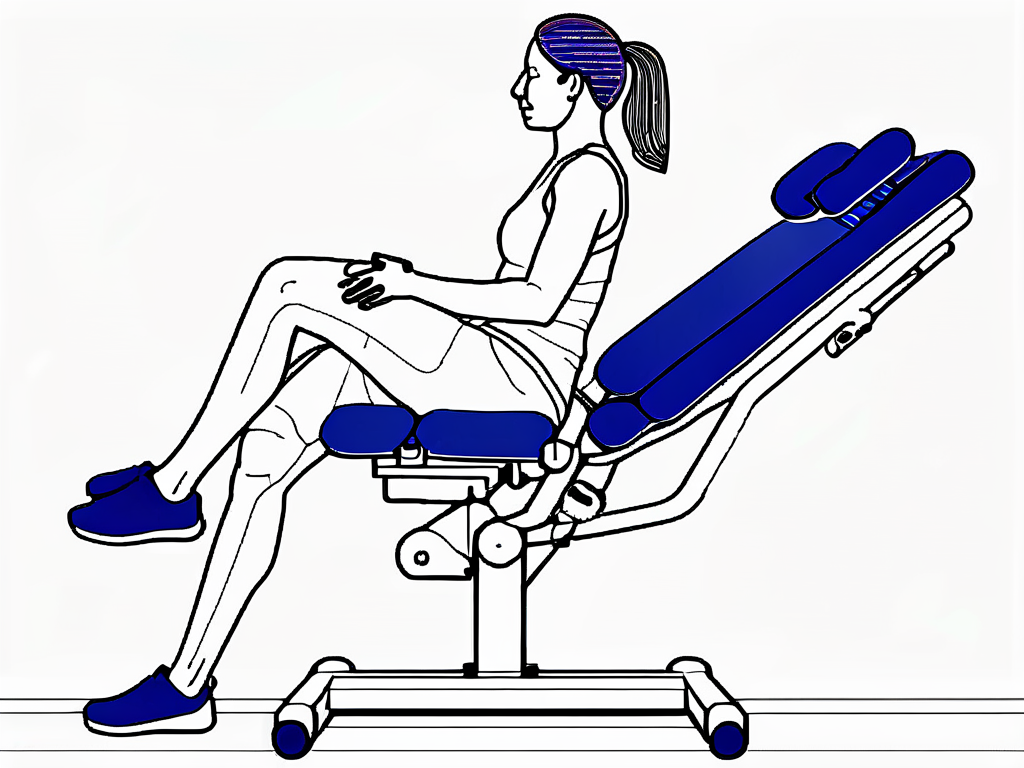
There are several compelling reasons to use an orthopedic seat cushion. Here are some of the key benefits:
 T
T
Health Benefits
Using an orthopedic seat cushion can help relieve or prevent back pain. By supporting proper posture, it can reduce tension and relieve pressure on the spine. It can also help reduce the risk of postural damage such as scoliosis or herniated discs. Furthermore, an orthopedic seat cushion can promote blood circulation and minimize the risk of venous problems.
Comfort and Convenience
Good posture while sitting is not only healthy but also more comfortable. An orthopedic seat cushion not only provides support but also comfortable padding, making sitting more pleasant. It can reduce pressure on the seating surface and alleviate feelings of stiffness or discomfort, especially during long periods of sitting.
Orthopedic seat cushions are available in various shapes and materials to meet individual needs. Some cushions are ergonomically shaped to support the natural curvature of the spine, while others are filled with gel or memory foam to provide optimal pressure relief. The choice of the right seat cushion depends on personal preferences, sitting comfort, and specific health requirements.
How to choose the right orthopedic seat cushion?
When choosing an orthopedic seat cushion, there are several important factors to consider:
Material and Design
Orthopedic seat cushions are available in various materials, including foam, gel, and memory foam. Each material offers different properties and may be preferred depending on individual comfort levels. The design of the cushion should be ergonomic and provide proper support for the lower back and coccyx.
Size and Shape
It is important to choose the right size and shape of the seat cushion to ensure optimal support. A larger cushion may provide better coverage, while a smaller cushion may fit certain chairs better. The shape of the cushion can vary depending on personal preferences and individual needs.
Another important aspect when choosing an orthopedic seat cushion is the breathability of the material. A breathable material ensures that air can circulate and prevents excessive sweating, which is particularly important when the cushion is used for extended periods.
Price and Quality
The price of an orthopedic seat cushion can vary depending on the brand, material, and design. It is advisable not only to pay attention to the price but also to the quality of the cushion. A high-quality orthopedic seat cushion can help relieve back pain and improve posture, which can contribute to better long-term health.
Care and Maintenance of Orthopedic Seat Cushions
To ensure the maximum lifespan and performance of an orthopedic seat cushion, regular care and maintenance are required. Here are some tips:
Cleaning and Storage
Most orthopedic seat cushions can be cleaned with a damp cloth and mild detergent. It is important to follow the manufacturer's cleaning instructions to avoid damage. In addition, seat cushions should be stored in a dry and clean place to prevent dirt and damage.
Lifespan and Replacement
Depending on the quality and duration of use, an orthopedic seat cushion may lose its support and comfort properties after some time. It is recommended to regularly check the cushion and replace it if necessary to ensure optimal performance.
Regular care of orthopedic seat cushions is crucial to maintain their functionality and hygiene. In addition to external cleaning, it is advisable to air out the cushion occasionally to avoid odors and preserve the materials.
Material and Comfort
Orthopedic seat cushions are available in various materials, including memory foam, gel, and air cushions. Each material offers specific advantages in terms of comfort and pressure relief. When purchasing a seat cushion, it is important to carefully select the material to meet individual needs.
Frequently Asked Questions about Orthopedic Seat Cushions
Can I use an orthopedic seat cushion anywhere?
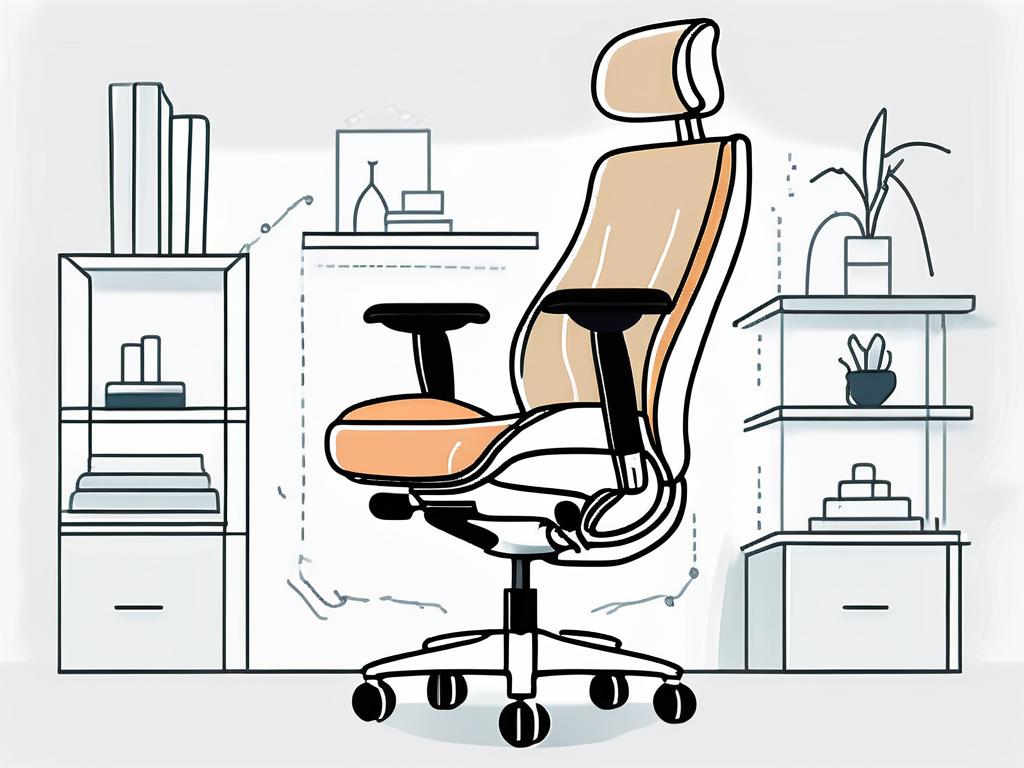
Yes, an orthopedic seat cushion can be used on most chairs and seating surfaces. It is suitable for use at home, in the office, in the car, or while traveling. It is important to choose the right size and shape of the cushion for the respective chair or seat to ensure optimal support.
How long should I sit on an orthopedic seat cushion daily?
The recommended sitting duration on an orthopedic seat cushion varies according to individual needs and preferences. It is important to take regular breaks and move around to ensure optimal blood circulation and muscle activity. It is recommended to follow the manufacturer's instructions and not use the seat cushion for excessively long periods.
Overall, an orthopedic seat cushion offers many benefits for health and comfort while sitting. Through proper selection and regular care, an orthopedic seat cushion can help relieve back pain, improve posture, and enhance well-being while sitting. If you have back problems or spend long hours sitting, an orthopedic seat cushion could be the solution. Consider if it is suitable for you and, if necessary, seek advice from an expert.
Another important aspect when using an orthopedic seat cushion is the choice of material. These cushions are made from various materials, such as memory foam, gel, or air cushions. Each material has its own advantages and disadvantages, so it's important to choose the right material for your individual needs.
In addition to supporting the spine and improving posture, orthopedic seat cushions often provide pleasant pressure relief. This can be particularly beneficial for people with hip or coccyx problems. The cushion can reduce pressure on these areas, thereby alleviating pain and discomfort.


